Prior results do not guarantee a similar outcome. Amounts are gross recoveries before fees, costs and medical liens.
All 15 results →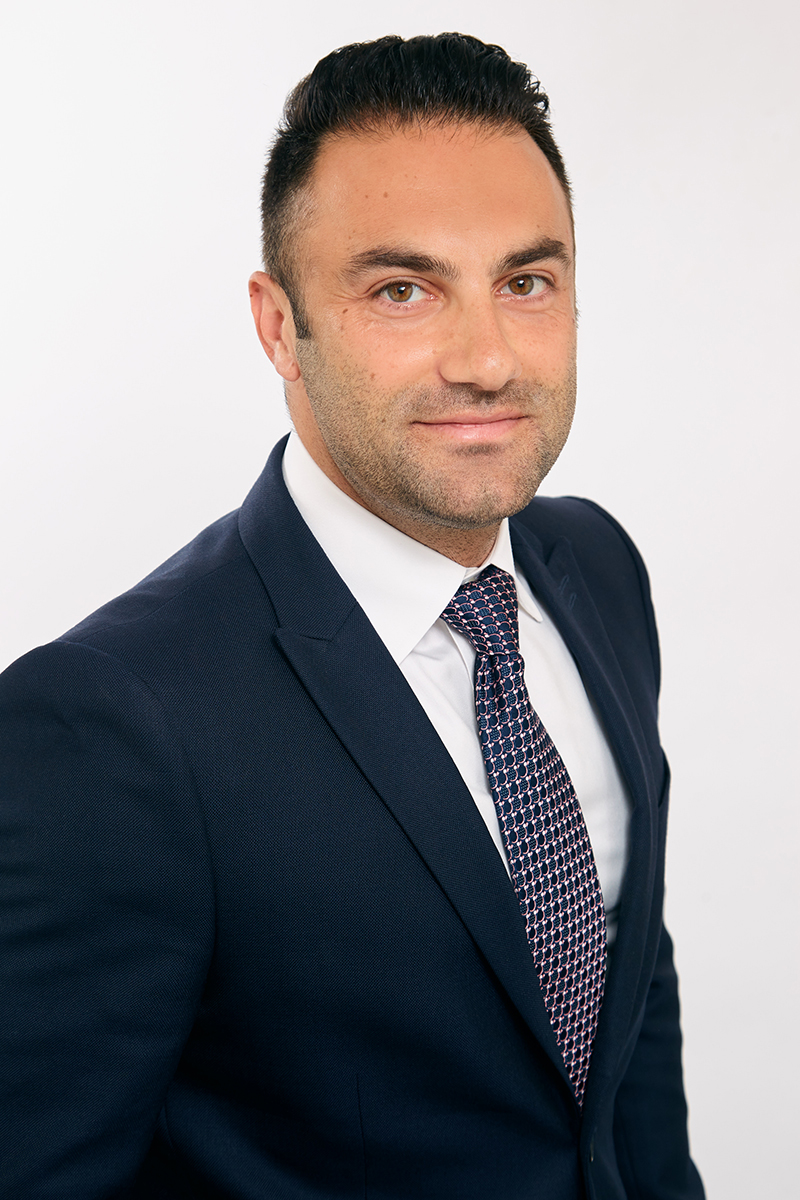
THE FOUNDER
The injury attorney who still picks up the phone.
Ask any injured person what frustrated them most about their last lawyer and the answer is the same: nobody called back. Joe Nazarian built Pathway Law to be the opposite of that firm — one attorney who knows your name, your injuries and your case, backed by a team that has recovered eight figures for families.
We know your name. We know your case. And we fight like it is personal — because it is.
PRACTICE AREAS
What we handle.
Licensed statewide in California, Arizona, Texas, Colorado and New Mexico. Find legal help near you →
Free consultation
Talk to Joe or a member of the team about what happened. Straight advice about your options. No pressure, nothing owed.
We handle the legal work
We coordinate your medical care, take over every insurance call, investigate the crash and build the case that gets paid.
You focus on healing
While we run the fight, you do the one thing nobody can do for you — recover, and get your life back.
STRAIGHT ANSWERS
Your questions, answered honestly.
Short answer first, detail second. If your question is not here, ask it — we answer those too.
Ask your questionHow long do I have to file a personal injury claim? +
Short answer: Two years in California, Arizona and Texas; three years in New Mexico, and three years in Colorado for motor-vehicle claims (two for most others). Claims against a government entity are far shorter — six months in California, 180 days in Arizona, 182 in Colorado, 90 in New Mexico.
Statutes of limitation have exceptions for minors, delayed discovery of an injury, and claims against public entities. Evidence also has its own clock: dashcam and security footage is often overwritten within 14 to 30 days, and witness memory fades fast. The practical deadline for building a strong case is far shorter than the legal one.
What does hiring Pathway Law Firm cost? +
Short answer: Nothing up front. The consultation is free and you owe no attorney fee unless we recover money for you.
We work on a contingency fee, and we advance the costs of investigating and litigating your case — records, experts, filing fees. If there is no recovery, you do not repay those costs. Our fee agreement is explained line by line before you sign anything.
Can I still recover money if I was partly at fault? +
Short answer: Yes. California, Arizona and New Mexico follow pure comparative negligence, so you can recover even if you were mostly at fault — your award is reduced by your share.
Texas and Colorado are different: under modified comparative fault you recover nothing if you are found more than 50% responsible in Texas, or 50% or more responsible in Colorado. Adjusters routinely inflate a claimant’s share of fault because every percentage point they shift saves them money. Contesting that number is a core part of the work.
Who pays after an Uber or Lyft accident? +
Short answer: It depends on the driver’s app status at the moment of the crash. On an active trip, Uber and Lyft carry $1,000,000 in third-party liability coverage.
If the driver was logged in but had not accepted a ride, the rideshare policy is contingent and much smaller, and the driver’s personal auto policy applies first. If the app was off, it is an ordinary auto claim. Because the whole case can hinge on that timestamp, we send preservation demands for trip and telematics data immediately.
Do not let the insurance company write your story.
When an injury changes everything, an adjuster should not be the one deciding what your recovery is worth. Joe Nazarian and the Pathway Law team are ready.